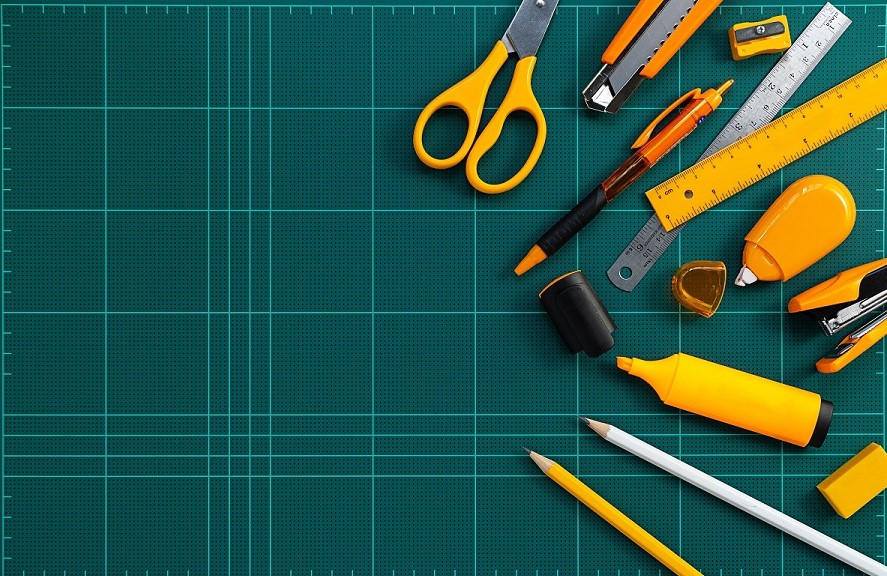
If your job involves making crafts, you can avoid damaging the surfaces with cutting tools. Want to know how? Keep reading.
If this is the case, self-healing cutting mats will help with comfort and finish the job without damaging your workplace.
Bet you want to know “How do self-healing mats work?” and “What are the best reasons for cut sheets use?”.
What is the use of chopping mats? Can self-healing cut mats be used?
There’ll be a great many questions, but don’t fret: we’ve provided you with delicious details on the reasons and how to use this cutting mat for your creative projects.
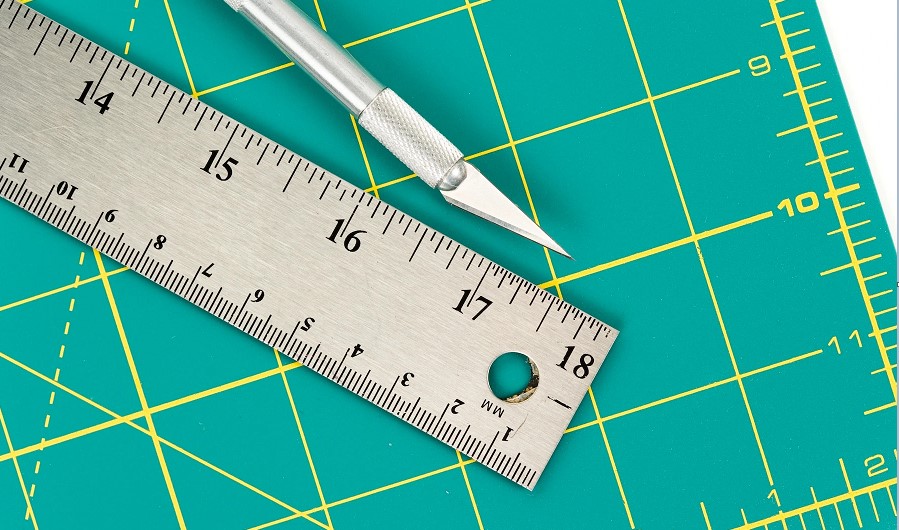
Discover the cutting-edge world of self-healing mats and unravel the secrets behind their functionality. If you’re eager to understand the ins and outs of self-healing and want to delve into the realm of self-healing cutting mats, this introduction is tailored for you. Gain insights into how these innovative mats operate, particularly in your work area, providing a seamless experience when using craft knives and cutting blades.
Whether you’re a seasoned pro or a novice in the realm of cutting, understanding how self-healing cutting mats work is essential for optimizing your craft. Join us on a journey to explore the fascinating mechanics behind these mats and learn why they are a must-have for anyone engaged in precision cutting tasks.
What are self healing cutting mat? The purpose of cutting boards
The answer is very simple: cutting boards are used as surfaces for different arts and crafts projects, as well as sewing.
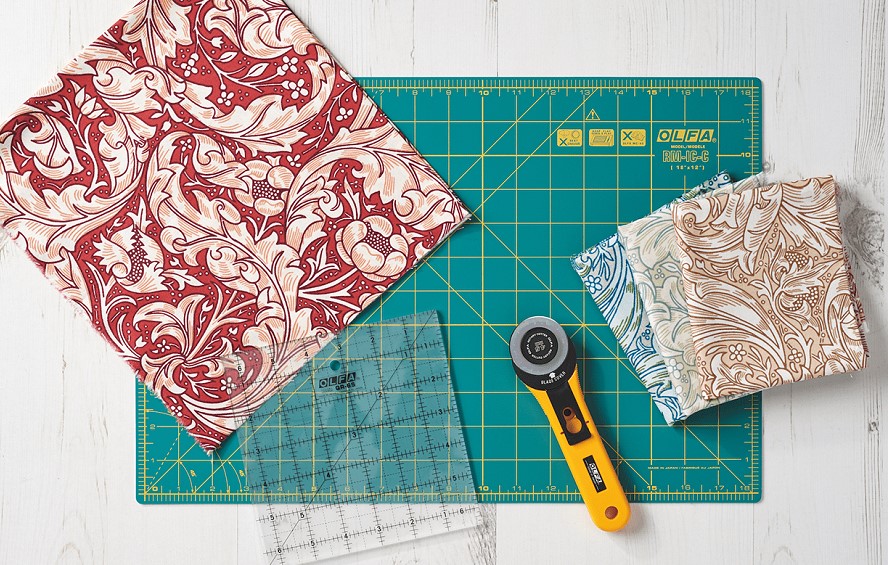
When you use rotary cutters & utility knives (cutting tools), you need to have a cutting mat. The cutting mat is intended to prevent work surfaces from getting damaged while keeping knives from dulling.
They are good at sewing, printing, craft sewing, and other tasks.
It has labeled a guide grid on one side to give precise measurement information.
Cutting boards therefore can also serve as a guide for providing precise measurements to ensure a clean cut while protecting work surfaces from abrasion and bruising.
Cutting boards are primarily intended for protection from scratch. Not everybody has a big sewing room that handles cutting tasks.
Sometimes the couple needs good tables or floors, and carving cutting lines in these expensive items will not be good for the marriage or these goods.
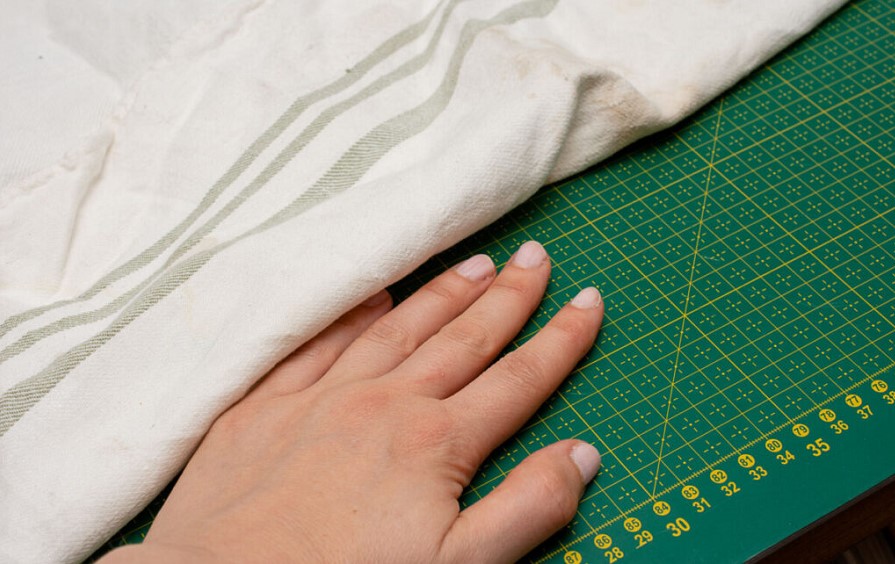
A cutting mat will help you make precise cuts needed when working on a sewing project. The cut mats provide you with this support. It can add additional benefits if you have slippery or stretchy fabric.
Tell me the size of the cutting mat I need for sewing
Many sewers have often asked the following questions. People who sew often have mastered the use of sewing tools. When using your rotary cutters or any other cutting tools, you have to keep an eye out for possible dents in their surfaces and to protect your loved ones’ furniture.
This rotary cutting mat ensures perfect lines and ensures safety for your fingers. Cutting mats as well as a rotary cutter and others available on the market have many sizes, so choose an area of use that suits the needs of your business. You should fully examine your options because there are lots of options in various sizes & colors.
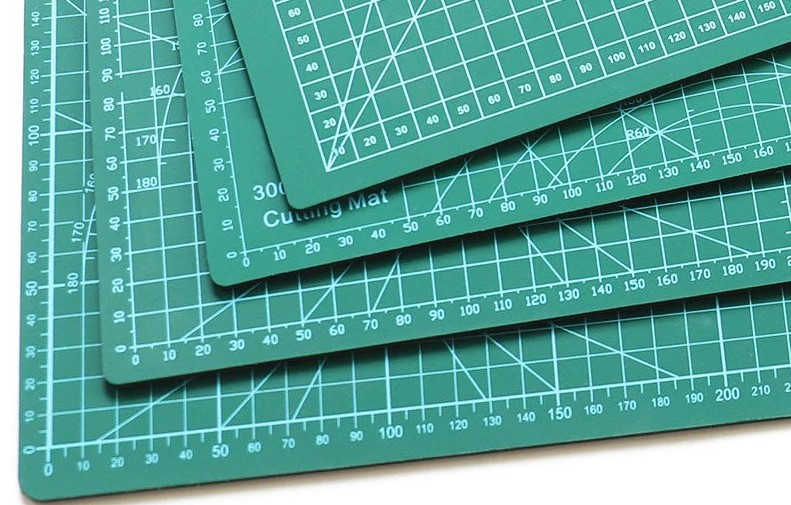
Are cutting mats self-healing? Are cutting mats heat-resistant?
It’s possible to use various types of cutting mats. These regular cutting boards are available as separate treatments, but they also have different functionality.
A cutting mat may have no slipping surface that keeps the cutting mat from shifting. This keeps the cloth secure and allows for easy cutting.
Folding sheets help with trimming in the event of a tight space. The regular cutting mats are for right-handed persons as well as people using their left hand.
Another option is available for office blotting as well and has many different colors.
Most are reversibly designed so that you can use them both in different ways.
They are designed to keep an iron in a tight place if it needs pressing immediately. They are also a bit hesitant when there’s an elevated temperature.
Generally, most cutting boards are warmed by excessive heat exposure. It largely depends on the materials used.
While PVC is an extremely strong building material, it will rust if a room gets hot enough to melt it into pieces. Almost every cutout is heated, but not long-term.
Rare use of the cutting mat may weaken it, and fatigue will reduce its life. In addition, boards become less flexible, and they become harder for users.
What are cutting mats made of?
Usually, the cut mat is rectangular and is made up of durable materials like polypropylene (PP, cutting mat material) or glass. So a cutting mat may be used on a soft work surface as well as on a hard surface.
How to choose the most suitable mat surface to be used? Hard-top cutting boards can be used to keep your knives sharp.
Soft-surface cutting mats can be worn during sewing, quilting, or most cutting activities.
Do cutting mats wear out? How should I store a cutting mat?
Eventually, the cutting mat will deteriorate. Sometimes the longest can be 20 years instead of 6, but you may need something more expensive. We must make measurable changes.
Not only will there be deep grooves, but the coloring of lines and grids will also diminish. One woman bought a cutting pad for $100 that lasts 20 years. No bad investment.
To eliminate the problem of cutting board deterioration, it is advisable to have a few cutting boards in your hands, they are of various sizes. This helps the mat keep in better shape and won’t let it become a warped cutting mat if it doesn’t get as frequent usage.
They like to roll it up, but it’s damaging it! If they are stored flat, you could simply lay them on the ground, or they’re stored upright if their support has been provided.
Which material cutting board is best?
Not every cutting mat comes in a single material. In cooking, you have many types, but these tools may assist with cutting, but there are no lines that you need. But for a cutting board glass, granite or wood will work best.
The self-healing sewing cutting boards are found in the same materials. There are also cutting boards made of self-healing polymers, and ones with strong polymer core systems. You don’t have many variants of these options. The normal cutting board has various materials, as are the kitchen alternatives.
When to replace a cutting mat?
It is your judgment, and you’re the one who knows whether a cut is far from the mat unless there are some worn-out details. Sometimes people have an attachment and don’t care about the pieces.
When it does, they keep wearing mats long before they are due.
The best indicator when removing the mats is that they are uneven enough to give you curved cuts. Or if your cutter has too much groove in it, your cutter looks as though it’s sliding down a muddy road. You can use several new mats that you have no use of yet.
What is a self-healing cutting mat made of? How do self-healing mats work?
The inventors and their workers will never share secrets with anybody. About 10 years ago, a respected professor who worked on self-healing polymeric materials was shocked at the news that polymers could become available to the public as self-healing cutting mats.
It’s been discovered that self-healing cutting boards are manufactured using composite PVC vinyl material with solid plastic cores. The material is then coated in multi-layers before the resulting cuts are complete.
The idea was really great and very interesting. They used a method of pressing separate small materials to create a solid surface mat. You can then paint them with lines or grids for cutting.
When you place a piece of fabric in this position, then press it with an electric knife on top of the piece and the knife slides over it. Once you passed sections of the mat, the memory of the inventions has the pieces returning to their original positions. And there is no healing, only a self-healing mat design.
3 best type of cutting mat
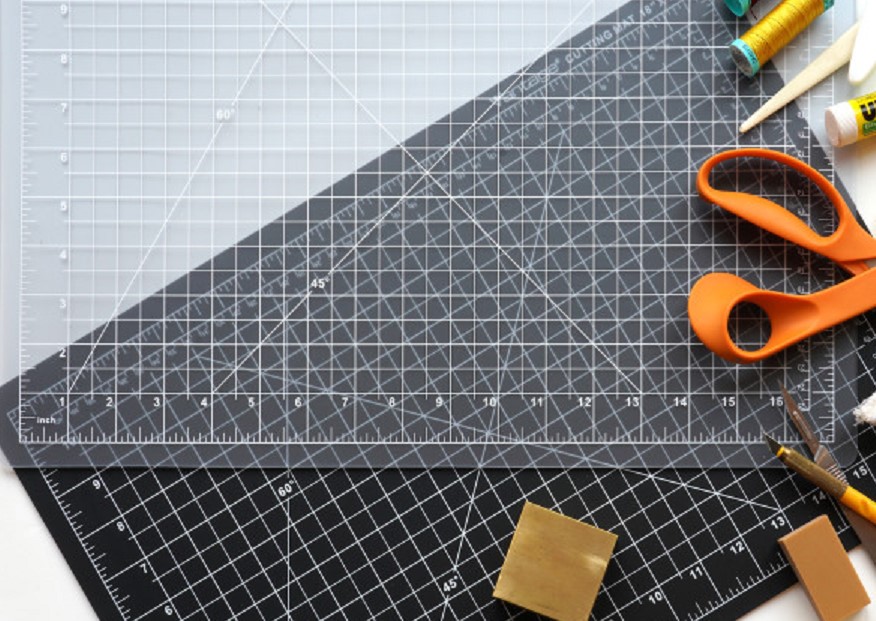
The self-healing cutting mat is influenced by the purpose it is meant for. Some healing cutting mats can be quite thin and will be less durable than those made with thicker and longer layers.
Also, think about measuring grids – some mats feature imperial measures, some metric measures, and some are reversible in both directions! You can buy a reasonably good self-healing mat at any art and crafts shop.
Fiskars
Eventually, Fiskar mats. It is a well-established brand and was also my first attempt but in reality, it’s just half a thicker version than La Canilla and WorkLion.
This is a good excuse to look into the other mat first! This self-healing cutting mat can also be purchased from online retailers.
La Canilla
This is my very favorite Lacanilla self-renewal cutting splinters. I think that’s an extra-pricey option, but I think that is worth it. La Canilla is available in the UK and US markets.
WorkLion
This self-healing cutting mat by WorkLion resembles the ones discussed above but has many more different shapes. Unlike the Canilla, it is less durable, stays in place, and heals well!
Can you make a self-healing cutting mat at home?
The best self-healing cutting mats are usually bought from reputable local stores or online, as they provide good durability and a safe cut. But for anyone looking to make their mats for cutting, go straight ahead!
It can be fun to do, and maybe you will have something that you will continue to use for years to come. Here are some easy tips for making a self-healing cutting mat at home!
Step 1 – Cutting The Cardboard To The Required Size
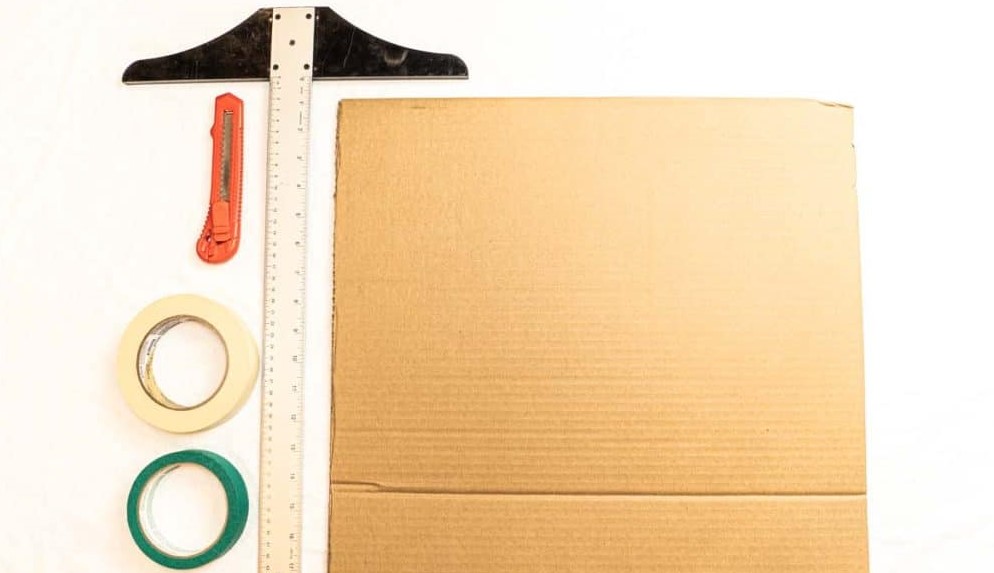
Take some corrugated cardboard to the sizes you want. You can do this with the smallest sizes, the bigger the size, the more difficult the cutter is. Maintain a minimum cut mat length of 8-11 inches. Anything larger would work well, but you don’t cut it smaller.
Step 2 – Wrapping The Masking Tape Around The Cardboard
You have to buy a minimum of 3 rolls of 1-inch smudge mask tape for this process. Start by covering masking material with tape, and work your way downwards.
Make sure to overlap your masking tape when attempting this step. Now turn the cardboard into a 90-degree turn and continue using mask tape. Do this for maximum 6th times before you can cover the cardboard.
Step 3 – Make The Last Layer
Apply one more piece of mask paper to the edge of the cardboard to protect your cardboard properly.
How do I fix a self-healing cutting mat?
How can I maintain my self-healing cutting mat? A dollar of preventive measures is worth a pound of cure. For best health, you can wash the floor with soap and water.
You need 1 1/2 cups of vinegar per liter. It is not cold or hot because the water shall be warmed in advance. Brushing the self-healing cutting mats first before soaking will help remove most loose threading first.
After washing, a few times scrubbing is necessary but with light pressure not to do any harm.
How do self-healing cutting mats heal?
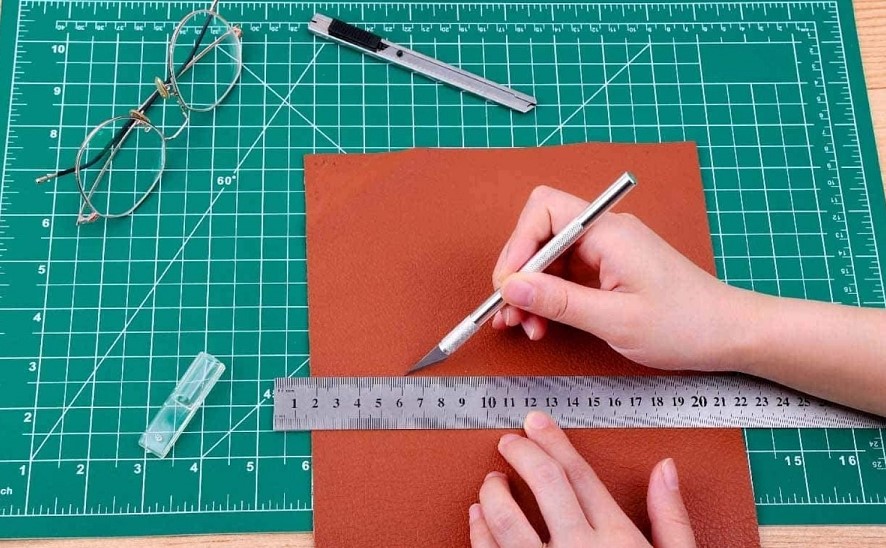
These cut mats are called so because even after long use, there are no marks of the blade in it. It is possible because of the unique materials they are made of. The mat’s structure allows the compensation of any grooves left by blades automatically. So, you won’t observe any visible scratches or cuts.
How long does a self-healing mat last?
A self-healing mat generally lasts six years or even longer. Some self-healing mats can also last for more than 20 years.
How do I know if my cutting mat is self-healing?
Gap closing. According to the cutting mat, you select, there may be an incision in the mat closing. That shows your mat heals itself properly. No worries.
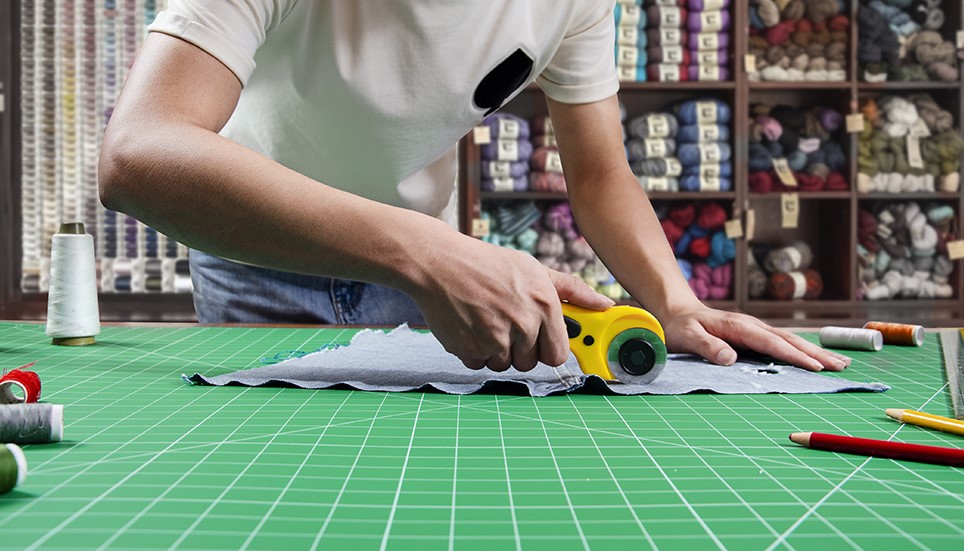
How does a cutting board self-heal?
The material of self-healing mats is made to help “absorb” cuts from blades. The material is composed of many small particles pressed together to form a solid surface that is not rigid as in glass and hard plastic, and the cutting is absorbable between these particles. Now you have the answer to “How do self-healing mats work”.

Hi, I’m artist and sublimation printing expert. Born and raised in Anchorage, Alaska, I had passion for photography and painting from my childhood. I started my career as a sublimation print operator for a local printing company in 2012. The role exposed gave me lots of practical knowledge about printing process, from managing color profiles to ensuring print quality on various materials.
Leave a Reply