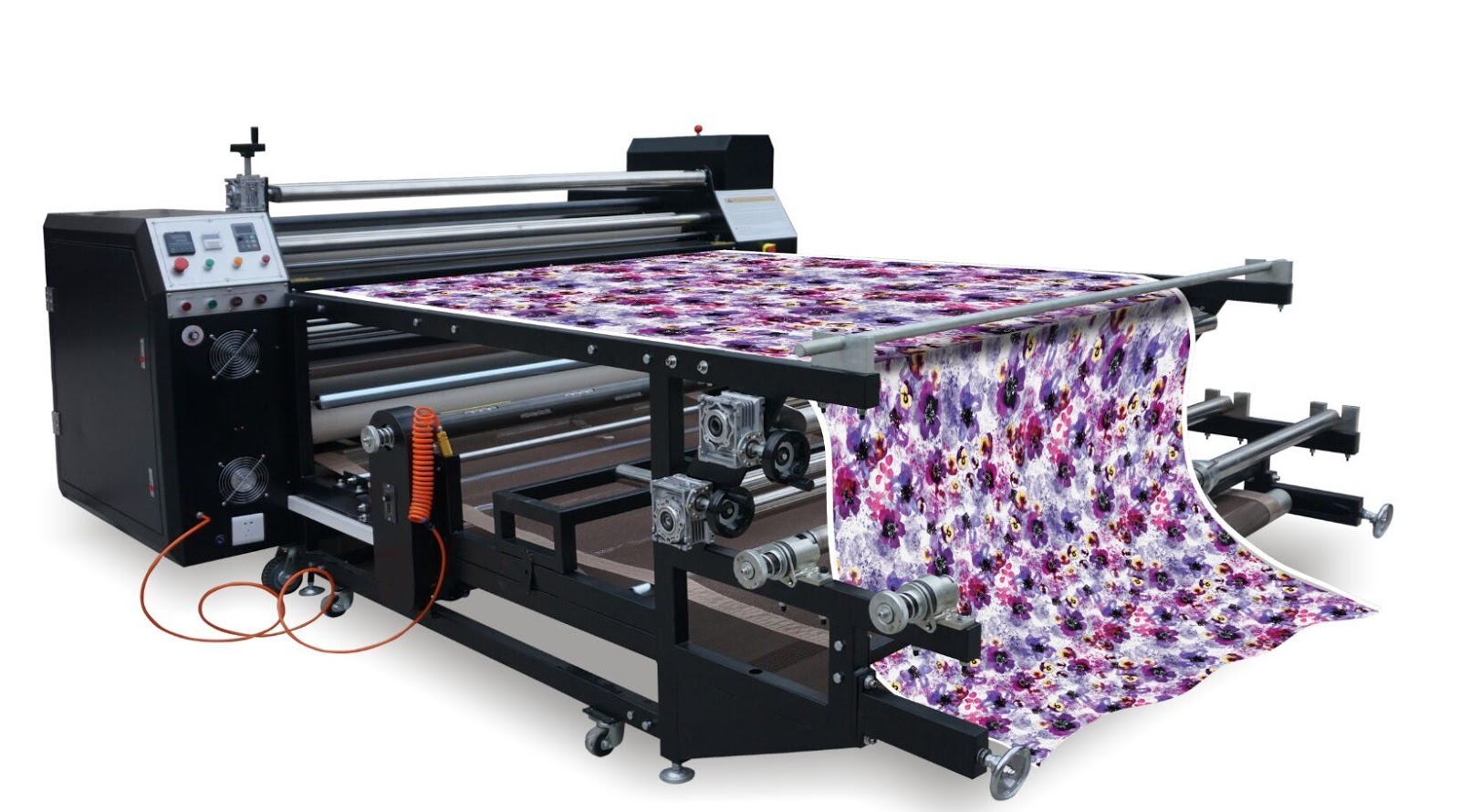

Do you want to start a custom t-shirt-making business, but are unsure of which garment decoration method to use: heat transfer printing or sublimation printing? We’re here to help you!
In this post, we’ll take an in-depth look at these garment decorating methods, and their differences, and compare both methods to help you in your decision-making process. Difference between sublimation and heat transfer, let’s get started!
Which is better heat transfer or sublimation printing?
The first thing we want to say is that both printing methods are excellent! However, choosing a method depends on the needs of your business.
Heat transfer printing
The first method is heat transfer printing (also known as thermal printing). This process involves printing with the use of heat and pressure to apply custom designs and garment decoration of clothing or other articles.

All of this is possible due to a specialty paper, which is called heat transfer paper, and an inkjet or laser printer.
This printing method transfers printed designs from a heat-applied printed sheetof transfer paperto clothing or other items when you apply heat and pressure. After you’ve pressed it, you peel away the heat transfer paper, and your image adheres nicely to the fabric.
The heat transfer printing method can be used to decorate or print on a variety of items, including t-shirts, caps, plaques, and any other items.
Printers
When choosing between an inkjet or laser printer, consider what kind of images you want to print. Inkjet printers are better at printing photos. However, a laser printer is preferable if you are printing a lot of vector images because you don’t have to crop the image to get rid of the background as you would with an inkjet printer.

What is heat transfer paper?
Heat transfer paper is a special paper on which the image is printed and is transferable using a heat press on the garment. Heat transfer paper printing comes in two forms: laser or inkjet.
Generally, the printer will have different types. Laser transfers cannot use inkjet printing machines. Heat transfer paper is compatible with most office printers. White toner printers like OKIs provide superior printing performance and quality. These printers have a white toner base that enables vivid color prints on dark clothing.
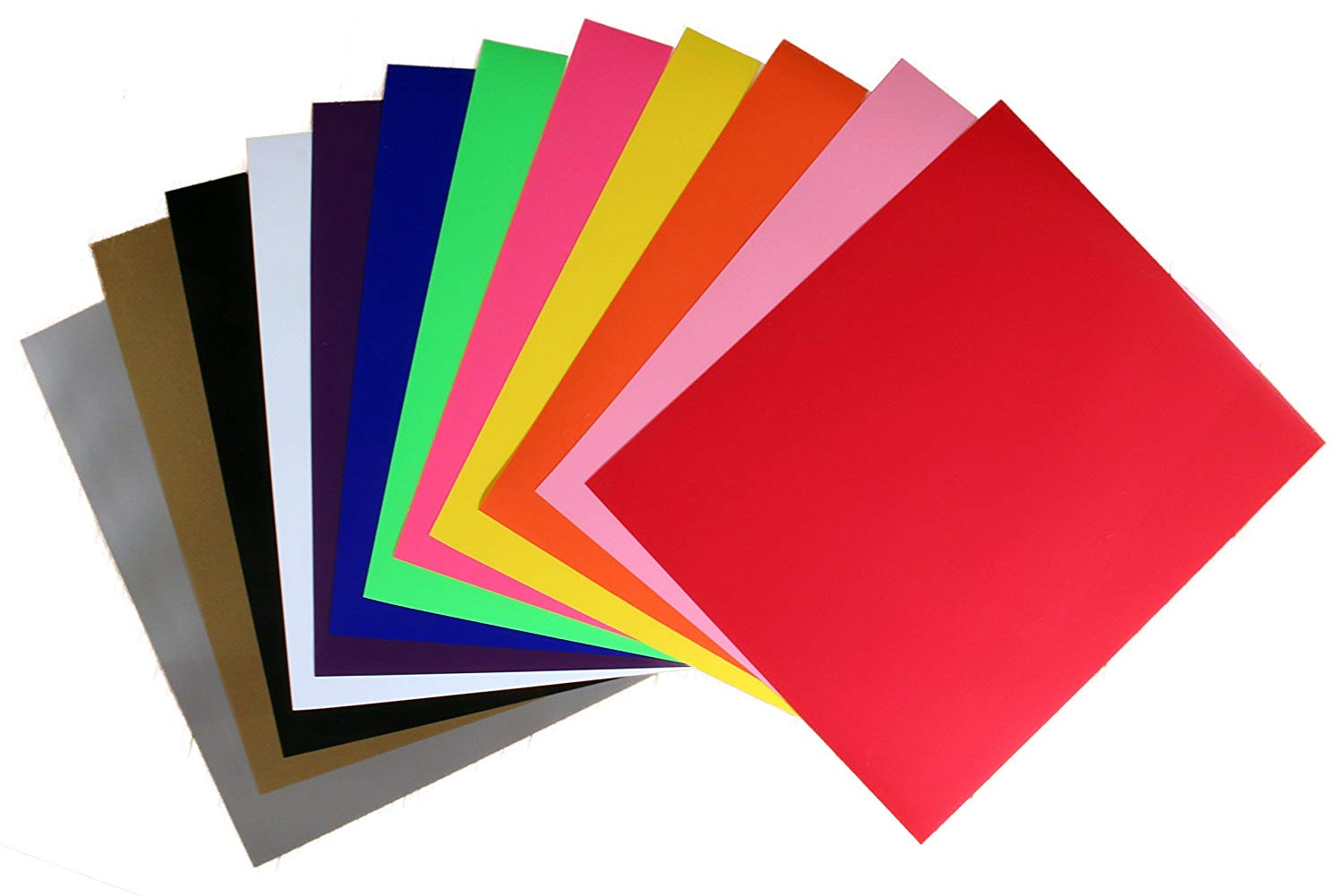
Heat transfer vinyl
Heat transfer vinyl, also known as t-shirt vinyl, or iron-on vinyl, are easy and fun ways to put a personalized design on fabrics. You can create unique items like t-shirts, hats, and bags, or fulfill a crafting hobby.
Difference between sublimation and heat transfer
Sublimation printing has an equivalent procedure to heat transfer paper, as you need to print images on specially made paper and use heat to apply them to the surface. There is likewise a significant difference in scientific processes.
Inks of sublimation are dyes that when heated turn from liquid to gas. These gases are dyed into the cloth. Because the ink has already destroyed the fibers of clothing, sublimation will be best only on white or lightweight clothing.
Can you use a heat press for sublimation?
Of course, you can! Heat presses are used in sublimation printing, as well as the many alternatives to sublimation. The type of work you plan on doing will determine which heat press is going to be best for you.
Sublimation printing heat press machines can reach the temperature and pressure levels needed for sublimation. Sublimation presses present more opportunities for you and your facility, allowing you to make higher-quality graphics and transfers.
What is the difference between sublimation and transfer printing?
We hope you understand the difference between sublimation and heat transfer printing. We can now look into the differences between both printers for the moment by looking at some important areas.
Sublimation and heat transfer substrate and fabric type
With the sublimation process, you are limited to white and light polyester fabric or polyester-coated solids. Such textiles are produced with inkjet heat transfer paper or laser heat transfer paper published with an OKI white toner.
Sublimation does not work with dark-colored cotton or other fabrics. It is impossible to just go to the store, take a mug or other item and put sublimation prints on it, as it needs to have a polyester coating that allows the sublimation process to take place.
No 100% cotton! You can get away with sublimating on some cotton-poly blends, but the transfer will not be as bright and vibrant as when you use 100% polyester fabrics. Because sublimation adds no extra layer on top of the fabric, the material also needs to be white or very light-colored for your transfer to show.
One of the heat transfer printing pros is that it can be used on almost any fabric: polyester fabrics, cotton, poly-cotton blends, nylon, and others. You can also decorate hard surfaces without a polymer coating. There are very few restrictions on what you can transfer images to with heat transfer paper.
Sublimation vs. transfer printing garment colors
One of the biggest differences between the two methods is the color of the garment on which the image can be transferred.
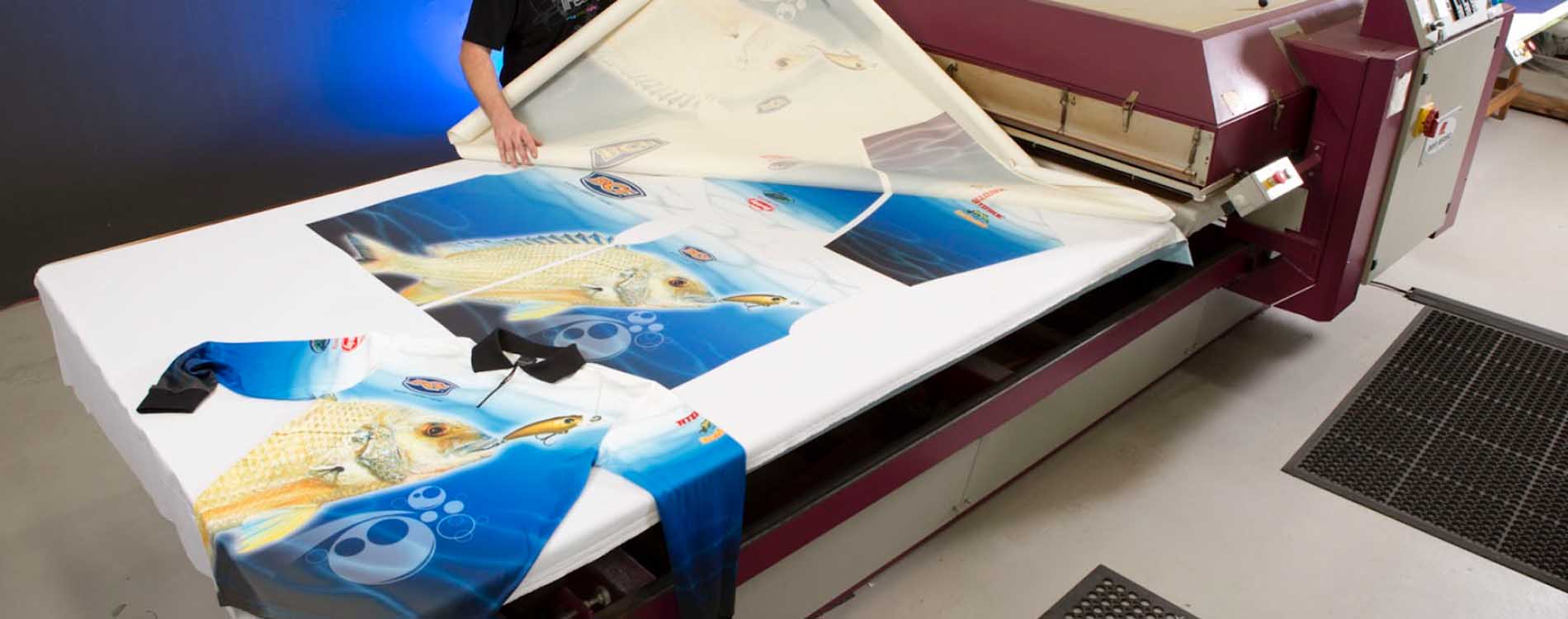
As a rule, it’s better to use heat transfer printing paper or laser heat transfer paper, which is printed using OKI laser printers with white toner, for light-colored garments to get photo-quality prints when transferring. But it can also be used for dark garments.
With the help of a sublimation printer and sublimation paper, you can produce permanent, realistic coloring with high quality and clarity. It allows you to decorate garments with full-color images, which is great if you have customers who need to print a specific color (such as the color for a company logo) or you want to print photos.
Heat transfer paper vs. sublimation printing weeding
Most heat transfer papers are not naturally self-weeding, except “two-step” laser papers such as FOREVER Laser Dark. With heat transfer papers, the layer transfers the print to the garment, and if you don’t want a noticeable background in the shape of the paper on the t-shirt, you’ll have to cut the image with scissors or a cutting plotter.
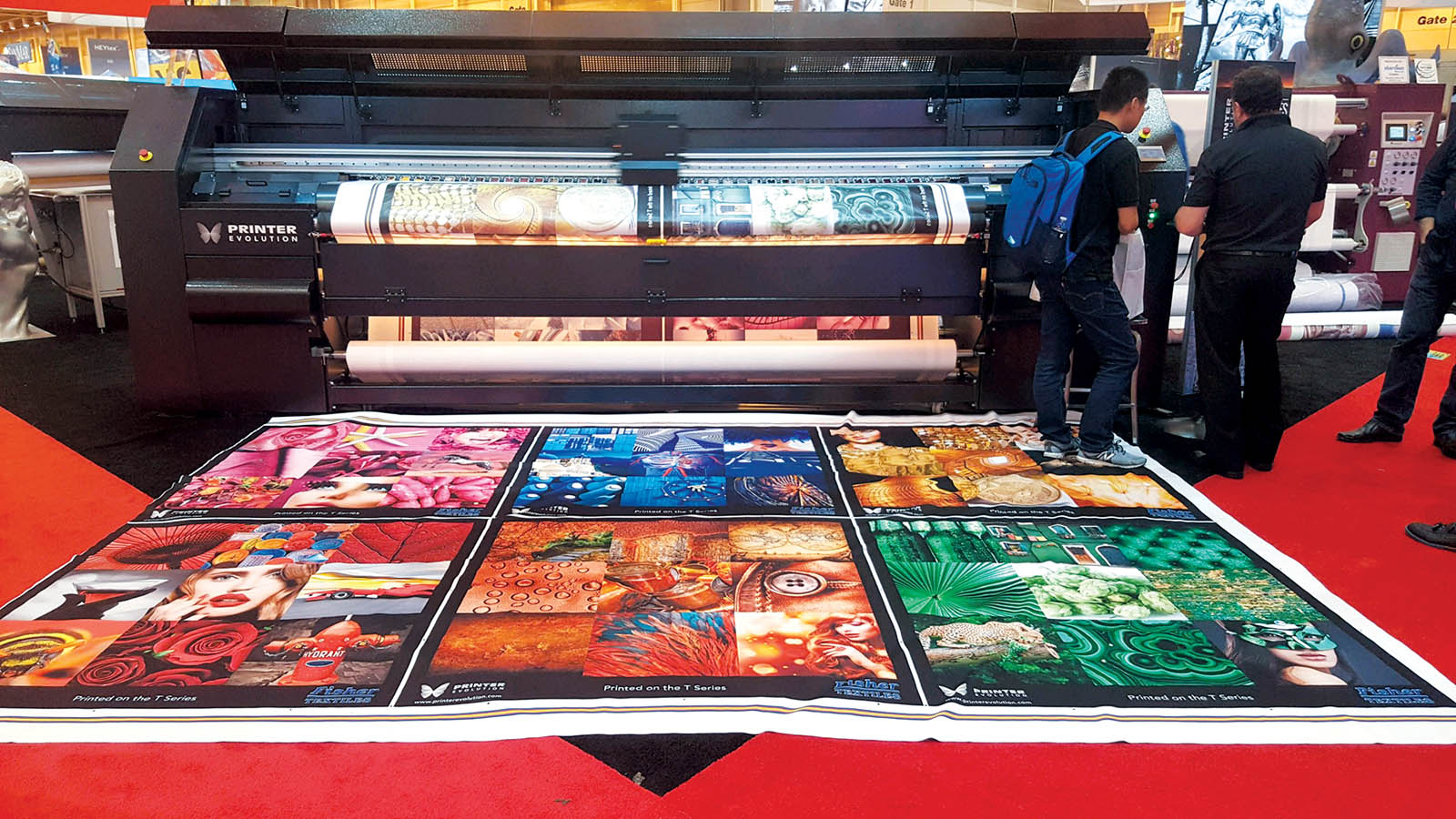
Alternatively, you could purchase vinyl, a vinyl cutter, a press, and the garments you wish to decorate.
With sublimation, there is no need for cutting or weeding. Since only the sections of the paper that have sublimation ink on them are sublimated to the clothing or backing.
Durability
Sublimation uses a process where the ink becomes part of the fabric rather than an additional layer on top. On the other hand, heat transfer paper adds an extra layer on top of the garment. You can physically feel this additional layer. And due to it, a t-shirt is less durable and can become faded and cracked over time with numerous wash cycles.
We want to note that heat transfer paper is not created equal to other transfer papers. So, you will find some that offer a soft feel and great durability.
Heat transfer paper vs. sublimation printing startup costs
Decorating clothes with heat transfer paper is one of the most affordable methods to get started. A laser or inkjet printer, a press, heat transfer paper, and the t-shirt or garment you want to decorate are all you need.
Sublimation carries a higher start-up cost than heat transfer paper, but that cost has dropped significantly in recent years. Sublimation starter packs contain everything you need to start at a very affordable price. This includes a sublimation printer, sublimation paper, and sublimation ink.
Sublimation vs. heat transfer paper: Which is right for your business?
Choosing the most suitable product depends on a lot of different garments and fabric types that you wish to decorate. Lastly, think about what kind of investment you want. Sublimation can be used if your company focuses or mainly focuses on light-colored polyester clothing. Your artwork is light and durable and washable.
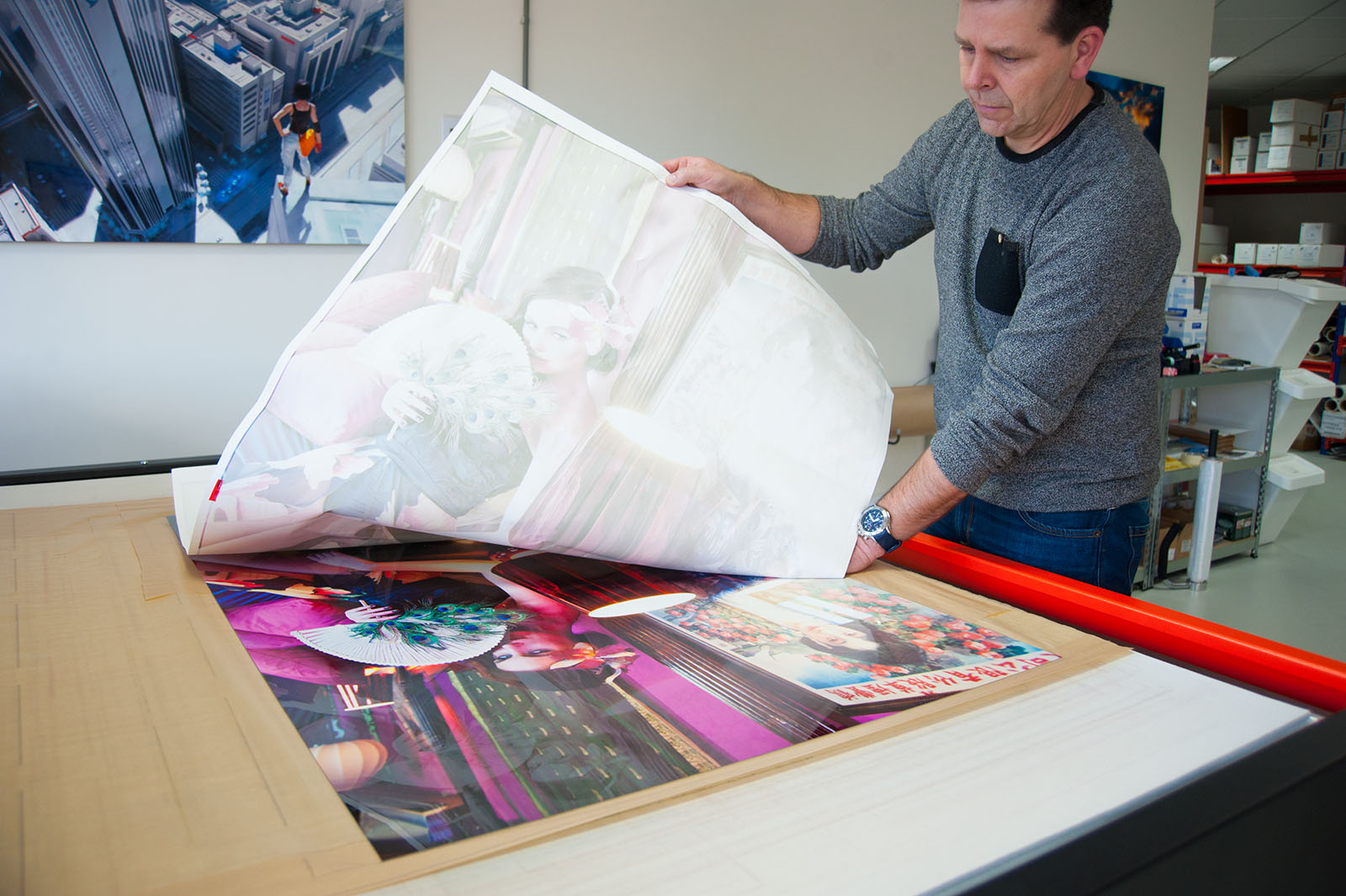
If you are printing with a variety of colors or materials, heat transfer paper is the better choice. If you start with an inexpensive printer, then as profits increase, you may reinvest in an OKI-designed printer such as the OKI.
Conclusion
Both heat transfer paper and sublimation are wonderful ways to decorate garments, all depends on your needs. Hopefully, our blog has helped you further your path to t-shirt and garment decoration! Wonder can you use an iron instead of a heat press machine, read the article

Hi, I’m artist and sublimation printing expert. Born and raised in Anchorage, Alaska, I had passion for photography and painting from my childhood. I started my career as a sublimation print operator for a local printing company in 2012. The role exposed gave me lots of practical knowledge about printing process, from managing color profiles to ensuring print quality on various materials.
Leave a Reply